2027 AMA Supercross Rule Overhaul: 20-Rider Mains and 109 dB Sound Limits
109 dB & 20-rider gates + 3 dB acoustic cut aligns SMX with MXGP alongside smaller main events + The AMA overhauls indoor racing to safeguard track access and curb first-turn carnage.

The American Motorcyclist Association (AMA) and the SuperMotocross (SMX) League have officially ratified a sweeping regulatory overhaul for the 2027 Monster Energy AMA Supercross Championship, fundamentally reshaping gate formats, acoustic testing standards, and competitor eligibility. Headlining the rulebook updates are a reduction in Main Event field sizes from 22 to 20 riders, a dramatic sound ceiling drop to 109 dB(A) matching FIM MXGP regulations, and a raised professional age minimum of 18 years.
The regulatory changes arrive as champions like Ken Roczen extend with Suzuki to defend indoor titles, forcing factory race shops and privateer teams alike to overhaul engine configurations and exhaust development across the paddock.
Gate Reductions and the “Fast 38”: Cutting the Main to 20 Riders
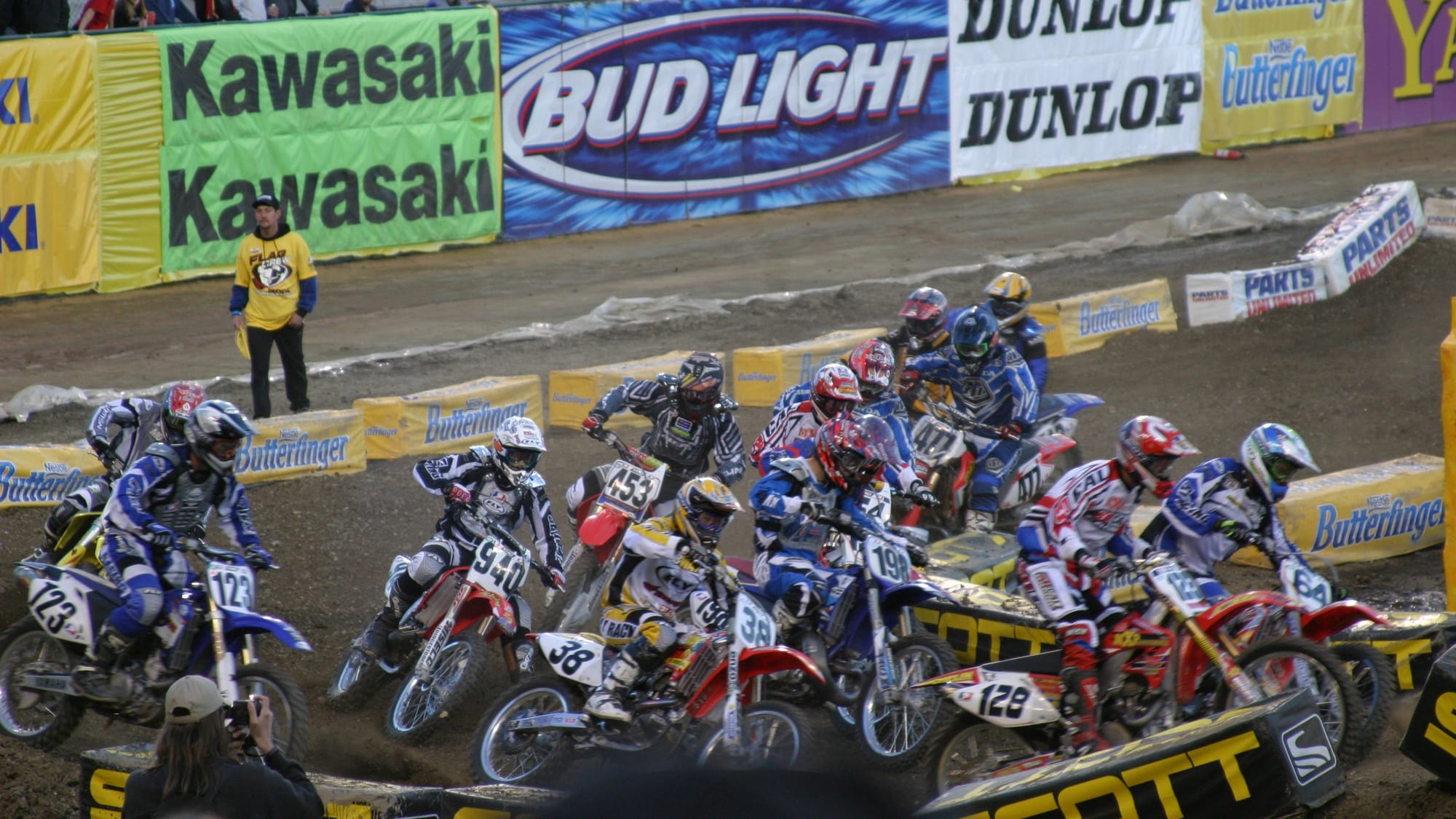
The most visible sporting transformation on stadium floors is the contraction of both the 450SX and 250SX Main Events from 22 riders down to 20. Designed to relieve first-corner bottleneck pileups and reduce dangerous lapped-rider congestion on tight, deteriorating rhythm sections, the two-gate reduction cascades across the entire race-night format.
Total class entries are capped at 66 riders (down from 80), dividing afternoon qualifying into three disciplined 22-rider groups. Only the “Fast 38” timed qualifiers now earn direct passage into the night show, down from 40. Heat races shrink from 20 competitors to 19, with only the top 8 riders transferring directly to the Main Event (previously 9). Consequently, championship points payout structures have been re-indexed, awarding points exclusively down to 20th position.
109 dB Sound Ceiling: Halving Acoustic Energy for Global Alignment
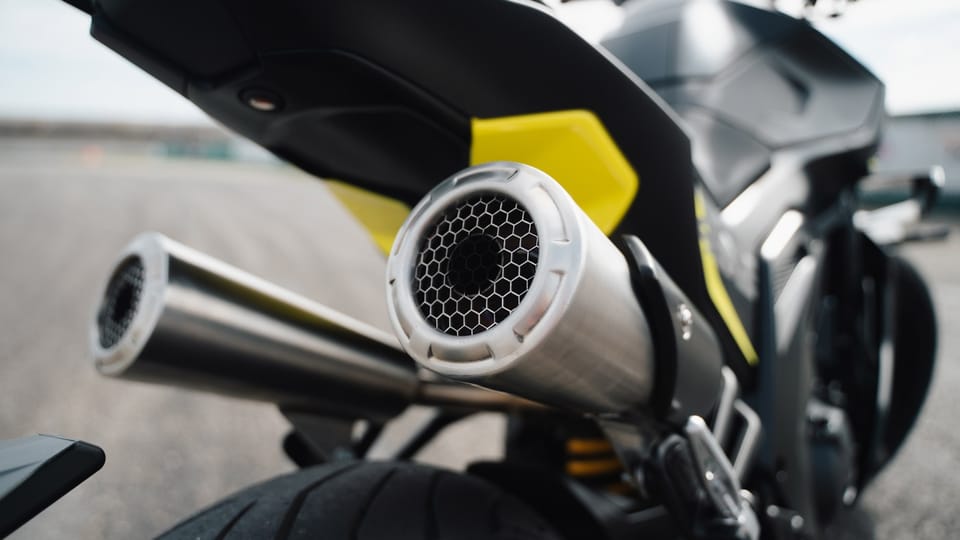
Technically, the most impactful hurdle facing engine builders is a mandatory 3-decibel sound reduction, dropping pre-race inspection ceilings from 112.0 dB(A) to 109.0 dB(A) under the two-meter-max testing protocol (with a post-race technical threshold capped at 110.0 dB(A)). Because decibel measurement scales logarithmically, dropping three decibels effectively cuts radiated acoustic sound energy by 50 percent.
This move aligns North American professional supercross directly with the global technical baseline enforced by the FIM in the MXGP World Championship. For European and Japanese manufacturers campaigning machines like the 2027 KTM Factory Editions and Husqvarna 2027 Factory Editions, the unified sound ceiling eliminates the costly necessity of engineering diverging North American and European cylinder head resonance chambers, header pipe tapers, and titanium silencer packing volumes.
Crucially, the acoustic reduction provides vital ammunition for local suburban tracks facing zoning closures, ensuring grass-roots training facilities remain legally defensible against suburban sprawl noise complaints.
Technical & Sporting Comparison: AMA Supercross Regulations
| Regulation Parameter | 2026 Supercross Rulebook | 2027 Supercross Overhaul | FIM MXGP Baseline |
|---|---|---|---|
| Main Event Field Size | 22 Gate Positions | 20 Gate Positions | 40 Gate Positions (Outdoor) |
| Pre-Race Sound Inspection | 112.0 dB(A) (Two-Meter-Max) | 109.0 dB(A) (Two-Meter-Max) | 109.0 dB(A) (Two-Meter-Max) |
| Post-Race Technical Limit | 113.0 dB(A) Maximum | 110.0 dB(A) Maximum | 111.0 dB(A) Maximum |
| Night Program Transfer | Fast 40 Timed Qualifiers | Fast 38 Timed Qualifiers | Top 36 + Wildcards |
| Heat Race Transfers | Top 9 to Main Event | Top 8 to Main Event | N/A (Qualifying Race) |
| Minimum Pro Age Floor | 17 Years Old | 18 Years Old | 16 Years Old (MX2) |
| Chest Protector Requirement | Strongly Recommended | Strictly Mandatory (CE-Rated) | Mandatory Under FIM Rules |
| Class Registration Cap | 80 Entries per Class | 66 Entries per Class | 40 Fixed Paddock Slots |
The Rider’s Trade-Off: Exhaust Bulk vs Local Track Survival
The mechanical compromise of the 109 dB mandate rests squarely in exhaust canister dimensions and low-rpm throttle response. To suppress 3 dB of high-frequency bark from high-compression 450cc singles revving past 11,500 rpm, exhaust manufacturers must increase silencer canister length, enlarge internal baffles, and pack denser ceramic-fiber acoustic wool. This adds between 250 g and 450 g of high-mounted mass over the rear subframe, while slightly dulling the instant off-idle throttle snap riders rely on to clear stadium triple jumps straight out of slick bowl turns.
However, the paddock consensus is that sacrificing a fraction of bottom-end bark is a small price to pay. Without quieter exhaust footprints, metropolitan stadiums and peri-urban training tracks in California, Florida, and Europe face permanent permitting loss.
“A three-decibel reduction represents an enormous engineering undertaking for our engine development teams, but unifying American racing with international FIM sound limits creates manufacturing efficiency while directly safeguarding local track access for future generations.” — AMA Technical Director & OEM Competition Committee, SMX Bulletin.
What We Know / What’s Still Unclear
What We Know: - Sanctioning Enforcement: The 109 dB limit and 20-rider gates apply to all 17 rounds of the Monster Energy AMA Supercross Championship and subsequent SMX playoff rounds. - Rider Welfare: Mandatory CE-certified chest protection and raising the minimum licensing age to 18 aim to curb adolescent injury rates. - Points Scale: The 20-rider Main Event awards 25 points for first place down to 1 point for 20th.
What’s Still Unclear: - Privateer Sound Compliance Support: While factory teams possess dynamometer acoustics facilities, field testing protocols for unsupported privateers during early stadium tech inspections remain in development. - Acoustic Drift Allowances: Weather-dependent atmospheric variations (humidity and barometric pressure inside enclosed vs open-air stadiums) and their impact on acoustic pass/fail testing.
Media citation: Editorial outlets and forums may quote excerpts with attribution and a link to Throttle Times.
Official source: https://americanmotorcyclist.com/supercross-competition-bulletin-2027-rules/
Reporting via: vurbmoto.com, cyclenews.com