Bajaj Adventure 250 Spied: Pulsar N250 Single, 19-Inch Wheel, and TFT Dash
249cc oil-cooled thumper + A 19-inch wire front hoop and long-travel gaitered forks + Bajaj finally realized entry-level ADV riders don't need liquid-cooled complexity to explore gravel.

Part of Throttle Times’ live coverage of EICMA 2026.
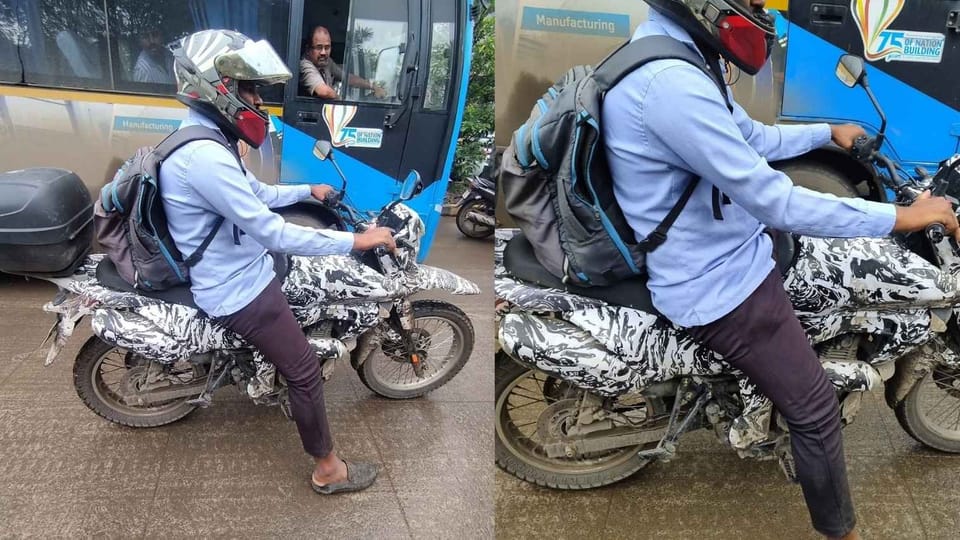
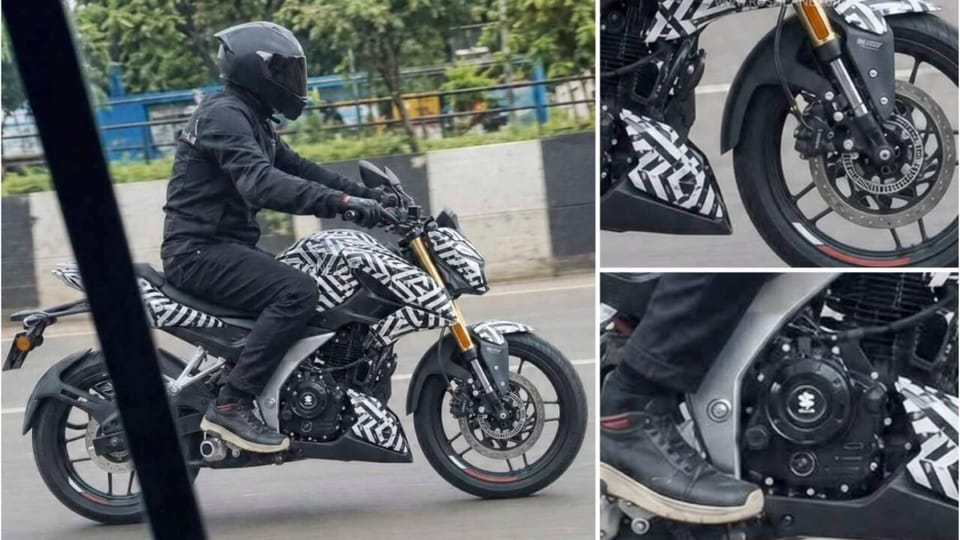
Bajaj appears to have finally settled the debate over what an accessible backcountry thumper ought to look like, sending a near-production 250cc adventure mule onto public roads with visible cooling fins and spoked wheels.
Spy photographs captured in western India confirm that Bajaj is eschewing the complex, high-revving liquid-cooled 250 architecture of its Austrian partners in Mattighofen, opting instead for a ruggedized derivative of the 249cc air/oil-cooled single powering the Pulsar N250. Clothed in classic dual-sport bodywork with a high rally beak, rubber-gaitered forks, and a rectangular full-colour TFT dashboard, the machine targets the sweet spot between urban runabouts and middleweight and lightweight dual-sports.
The Oil-Cooled 249cc Thumper: Simplicity Over High-Rev Complexity
The spy photographs confirm visible cooling fins and the absence of a forward radiator core, confirming a 249cc two-valve, oil-cooled single-cylinder powertrain producing roughly 24.5 PS (18 kW) at 8,750 rpm and 21.5 Nm of torque at 6,500 rpm.
By sticking with oil cooling rather than adapting the liquid-cooled DOHC platform seen across KTM and Husqvarna 250 singles, Bajaj prioritizes trailside serviceability, lower mechanical drag, and budget affordability. An external oil-cooler radiator is mounted high behind the front frame downtubes, out of the direct projectile line of gravel roost. The transmission is an updated 5-speed unit with an assist-and-slipper clutch, geared taller in fourth and fifth to allow sustained 105 km/h highway transit without buzzing the rider’s palms to numbness.
“When you drop a motorcycle in a rocky ditch thirty kilometres from the nearest paved pass, a cracked coolant hose ends your day. An air-and-oil-cooled thumper with a bash plate will still tractor you home on three litres of fuel.”
Chassis, 19-Inch Spoke Hardware, and Cockpit Electronics
The test mule rides on a 19-inch front and 17-inch rear wire-spoke wheel combination wrapped in deep block-pattern dual-purpose rubber, paired with long-travel suspension providing an estimated 190 mm of front axle travel and 200 mm of unladen ground clearance.
Up front, right-side-up telescopic forks feature traditional accordion rubber gaiters to defend the chrome stanchions against grit and mud. Braking duties are handled by a 300 mm front disc with a ByBre dual-piston floating caliper and a 230 mm rear disc, managed by a dual-channel Bosch ABS system featuring a dedicated off-road setting to lock the rear tire on loose descents.
The cockpit features a rectangular colour TFT console inherited from newer Pulsar models, integrating Bluetooth smartphone navigation, call telemetry, and a USB-C charging socket positioned beneath the windscreen bracket. A tubular steel rear subframe supports an integrated luggage rack, while a upswept exhaust canister clears high water fordings.
Side-by-Side: Bajaj Adventure 250 vs Rival Dual-Sports
| Specification | Bajaj Adventure 250 (Prototype) | Hero Xpulse 210 | Suzuki V-Strom SX |
|---|---|---|---|
| Engine Configuration | 249cc SOHC oil-cooled single | 210cc DOHC liquid-cooled single | 249cc SOHC oil-cooled single |
| Peak Power | ~24.5 PS (18 kW) @ 8,750 rpm | 24.6 PS (18.1 kW) @ 9,250 rpm | 26.5 PS (19.5 kW) @ 9,300 rpm |
| Peak Torque | 21.5 Nm @ 6,500 rpm | 20.7 Nm @ 7,250 rpm | 22.2 Nm @ 7,300 rpm |
| Wheel Setup (F/R) | 19-inch / 17-inch (Wire Spoke) | 21-inch / 18-inch (Wire Spoke) | 19-inch / 17-inch (Cast Alloy) |
| Front Suspension | Long-travel telescopic + gaiters | Inverted 43 mm forks | Traditional 41 mm telescopic |
| Ground Clearance | ~200 mm | 220 mm | 205 mm |
| Est. Wet Weight | ~164 kg | 158 kg | 167 kg |
| Est. European Price | ~€3,600 (A2 compliant) | ~€3,800 | ~€4,990 |
The Rider’s Trade-Off: Air Cooling vs Highway Long-Hauls
The compromise in Bajaj’s formula lies squarely in high-speed thermal headroom. An air/oil-cooled 249cc thumper will run happily all day through mountain switchbacks and farm tracks, but it lacks the thermal buffer of liquid-cooled rivals when sitting pinned at 120 km/h against a stiff motorway headwind in midsummer heat. Riders crossing alpine passes will appreciate the simple mechanical architecture, but long-distance highway touring demands a relaxed cruising pace rather than left-lane overtakes. Compared to higher-spec competitors like the upcoming Hero Xpulse 421 flagship, the Bajaj Adventure 250 is unapologetically aimed at budget-conscious realists who prioritize trail survivability over spec-sheet bragging rights.
What We Know
- Proven Oil-Cooled Single: Power derives from the 249cc SOHC oil-cooled engine with revised low-end torque mapping and slip-and-assist clutch.
- Genuine Spoke Hardware: A 19-inch front and 17-inch rear wire-spoked wheel package shod in dual-sport rubber.
- Modern Cockpit: Full-colour TFT dashboard with turn-by-turn navigation and switchable rear ABS.
- Global Rollout: Production debut is targeted for late 2026, heading into Latin American and European A2 learner markets in 2027.
What’s Still Unclear
- Official Model Designation: Whether Bajaj will revive the registered “Trekker” trademark or brand it as a Pulsar Adventure variant.
- Exact Suspension Damping: Whether the rear monoshock features linkage assistance or direct-mount damping.
- European Homologation Timing: Specific Euro 5+ certification dates and distribution network channels outside India and South America.
Media citation: Editorial outlets and forums may quote excerpts with attribution and a link to Throttle Times.
Reporting via: autocarindia.com, rushlane.com