BMW's Next-Generation S1000RR: Everything We Know, and Why I Already Miss the Wonder Wheel
Concept RR, Nurburgring prototypes, a joystick replacing the iconic control wheel, and a 2027 M1000RR getting its own chassis overhaul -- here's every confirmed fact and open question on BMW's next superbike.
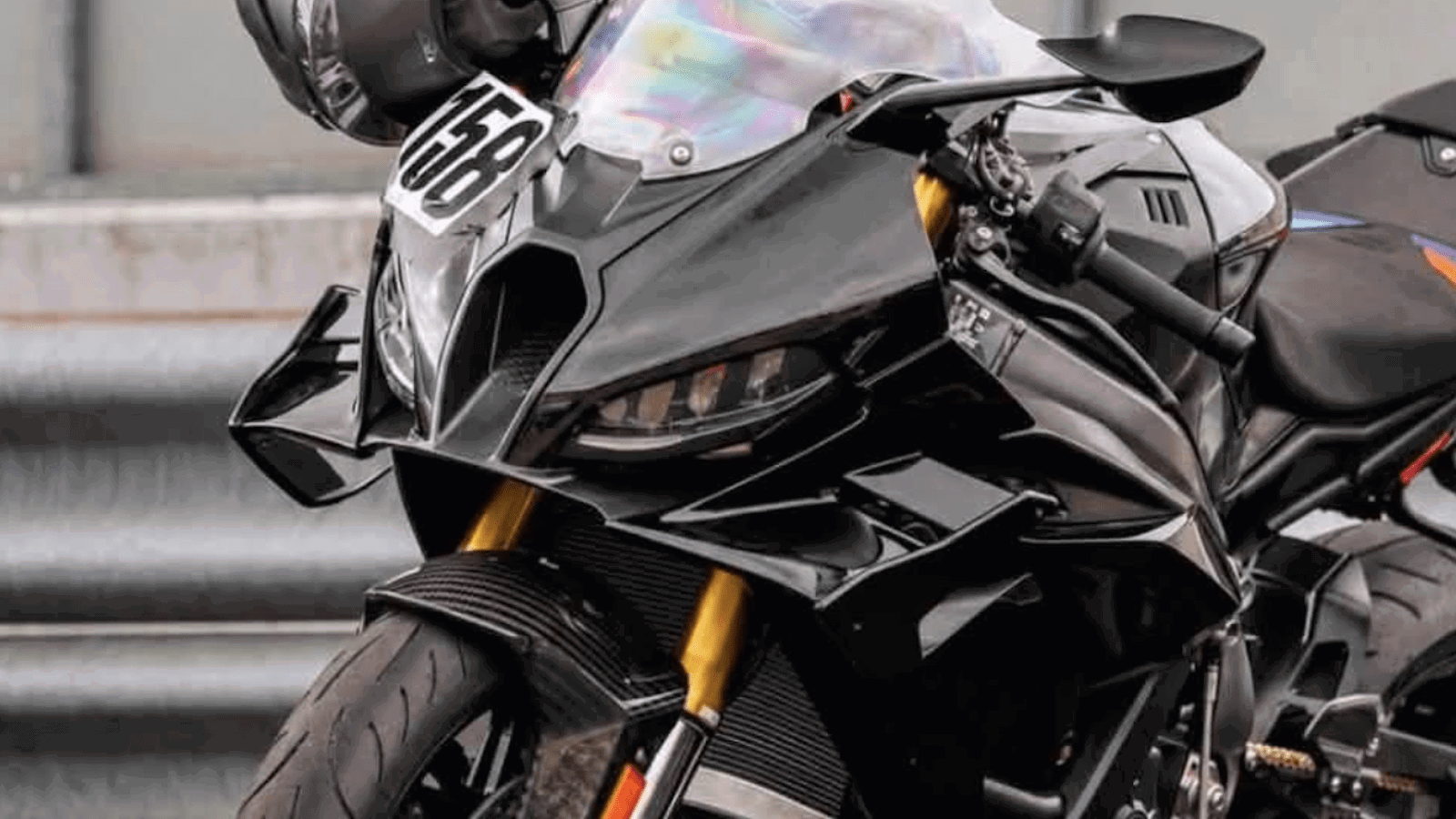
BMW is replacing the S 1000 RR’s iconic wonder wheel with a joystick, giving the whole bike an all-new frame, and building a genuinely different superbike underneath the familiar name – but not all at once, and not on one clean timeline. A 2027-model-year S 1000 RR refresh is already on sale with new colours and a small price bump; the extensively revised “next-generation” version, previewed by the 2025 Concept RR and spotted testing at the Nürburgring in prototype form, is a separate, later machine still working its way toward a reveal.
I’ve read every spy-shot gallery on this bike since May 2025, which tells you something about how I spend evenings I could otherwise be using to actually ride the S 1000 RR I already own. Here’s everything confirmed so far, everything still a rumour, and the one control BMW is asking two decades of riders to unlearn.
The Generations at a Glance
Three different “next S 1000 RR” stories have been running in parallel, and it’s easy to mix them up. This is what’s actually confirmed for each:
| Version | Status | Timing | Headline change |
|---|---|---|---|
| S 1000 RR (2027 model year) | Confirmed, on sale now | Available now | New colourways, minor tech tweaks, ~205 hp, from €24,210 in Germany |
| BMW Concept RR | Design study, shown publicly | Unveiled 23 May 2025 | 230+ hp target engine, WSBK-derived electronics, no production commitment |
| S 1000 RR (next generation) | Near-production prototype, spied testing | Reveal expected around EICMA, November 2026 | All-new frame, joystick control, Brembo Hypure brakes |
| M 1000 RR (2027 chassis update) | Confirmed changes, phasing in | From August 2027 | Third-generation M Motorsport frame, ~1.3 kg lighter |
The Concept RR Started This
The BMW Motorrad Concept RR is the design study that set this whole cycle off, unveiled at the Concorso d’Eleganza Villa d’Este on 23 May 2025. It ran a water-cooled inline-four targeting more than 230 hp (169 kW), with engine management, traction control, and engine-braking software pulled directly from the WSBK-spec M 1000 RR. BMW was explicit that it previewed “the future generation of BMW RR models,” not a specific launch date – which is exactly why it took another fourteen months for a real prototype to show up on a public road.
Caught at the Nürburgring: A Real Frame, Real Brakes
A production-ready prototype of the next-generation S 1000 RR was photographed testing at the Nürburgring Nordschleife in late July 2026, and this is where the rumour turned into hardware – we covered the first sighting when BMW’s next S1000RR was caught testing with the barcodes still on. The frame is an entirely new design compared to the current generation: the sub-frame mounts to the main frame differently, and the rider footpegs move with it. At the front, Brembo’s top-tier Hypure calipers replace the outgoing BMW-branded Nissin units – the same braking hardware found on the Ducati Panigale V4 and Honda CBR1000RR-R, which tells you which fight BMW thinks it’s in. Marzocchi suspension is confirmed at the front end, with the rear widely assumed to match.
Styling on the Nürburgring car is closer to the current production S 1000 RR than to the show-stand Concept RR, with larger conventional headlights and fairing-mounted winglets carrying both upper and lower endplates – more aero than the outgoing bike, less sci-fi than the concept.
Goodbye, Wonder Wheel
The single change I keep coming back to is the control layout. BMW’s Multi-Function Controller – the “wonder wheel” on the left switchgear that’s defined the brand’s sport, touring, and adventure bikes since 2013 – is gone on the prototype, replaced by a conventional four-way joystick paired with separate mode and parameter buttons. It’s a small piece of plastic to be sentimental about, but it’s been the one control on a BMW you could operate blind, by feel, at 250 km/h, and I’m not thrilled about relearning it. The TFT dash and the rest of the switchgear otherwise look production-ready in the spy photos, which is usually the tell that a bike is closer to reveal than the rest of its disguise suggests.
Engine: A Modest Bump, Not a Reinvention
The production next-gen S 1000 RR is expected to keep an evolved version of BMW’s existing 999cc inline-four with ShiftCam variable valve timing, thoroughly overhauled rather than replaced. Reporting so far points to only a relatively modest increase over the outgoing model’s 205-210 hp – nowhere near the 230+ hp the Concept RR flaunted, which was always a design-study number rather than a homologation target. If BMW wanted a full clean-sheet engine, this doesn’t look like it yet.
The M 1000 RR Gets Its Own 2027 Overhaul
BMW’s M-badged flagship isn’t waiting for the S 1000 RR’s full redesign. The M 1000 RR picks up a third-generation M Motorsport frame from August 2027, built from cast and welded aluminium with significantly thinner walls that cut roughly 1.3 kg versus the outgoing chassis. BMW says the revised flex characteristics improve grip and front-end feedback, and a reshaped opening above the engine mounts is aimed squarely at chassis rigidity rather than raw weight. M Forged wheels become the new standard fit, with M Carbon wheels available as the upgrade rather than the previous split of packages – the old M Competition Package is gone. It’s a chassis-first update, timed right as Toprak Razgatlioglu departs for MotoGP and BMW needs its WorldSBK effort to stand on its own again.
BMW’s spy-shot regulars have had a busy year across the whole model range – the same testing programme that caught this superbike also caught a dirt-focused M1300GS flagship wearing blue M brake calipers, and on the adventure side BMW went a different direction entirely, sending the smaller R 12 G/S to the 2026 GS Trophy instead of its usual big-bore flagship.
Price and What It Costs Right Now
The confirmed 2027-model-year S 1000 RR – the minor refresh, not the redesign – lists at €24,210 in Germany. In the US it’s priced at $19,975, which converts to roughly €18,400 before VAT and import differences; the German sticker price is the one that actually matters if you’re buying in the EU, and it’s a reminder that a straight currency conversion never tells the whole story. The current M 1000 RR sits at €38,601 in Germany before options, and BMW hasn’t said whether the 2027 chassis update changes that number. Neither price has been confirmed yet for the fully redesigned next-generation S 1000 RR – expect it to land above the current bike given the brake, frame, and suspension upgrades involved.
If you’re shopping the current S 1000 RR in the meantime, it’s worth checking whether your specific unit falls under BMW’s ignition-lock recall covering nearly 17,000 US-market S 1000 RR bikes – BMW doesn’t have a permanent fix yet, so it’s a live issue on the outgoing generation, not ancient history.
BMW isn’t the only manufacturer treating its literbike as the flagship worth a full teardown this year – CFMoto put its V4SR-RR superbike through Pininfarina’s wind tunnel this summer, winglets and all, as it closes in on its own production date.
What We Know / What’s Still Unclear
What we know: - BMW’s Concept RR was unveiled 23 May 2025, targeting 230+ hp with WSBK-derived electronics. - A near-production prototype of the next-generation S 1000 RR was spied testing at the Nürburgring in late July 2026. - The prototype’s Multi-Function Controller wonder wheel is gone, replaced by a four-way joystick. - The frame is an all-new design with different sub-frame and footpeg mounting points. - Brembo Hypure front brake calipers replace the current BMW-branded Nissin units. - The M 1000 RR gets a third-generation M Motorsport frame, roughly 1.3 kg lighter, from August 2027.
What’s still unclear: - Whether the redesigned S 1000 RR arrives as a 2027 or 2028 model – some reporting points to an EICMA reveal this November, other sources say a change this extensive is unlikely to reach production before 2028. - The exact production power figure – only described as a “modest” increase over the current 205-210 hp. - Official pricing for the redesigned bike. - Whether BMW’s joystick control replaces the wonder wheel across the rest of the model range, or stays specific to the RR.