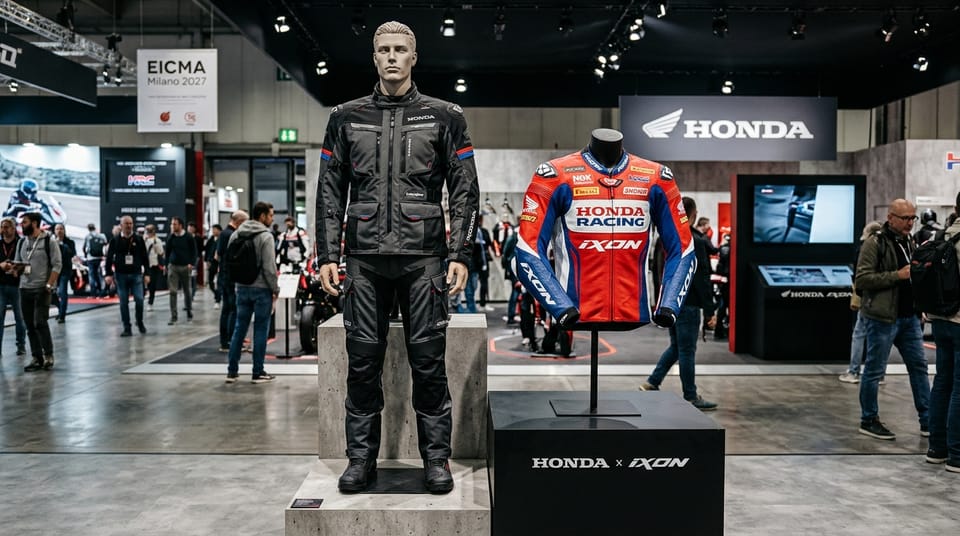
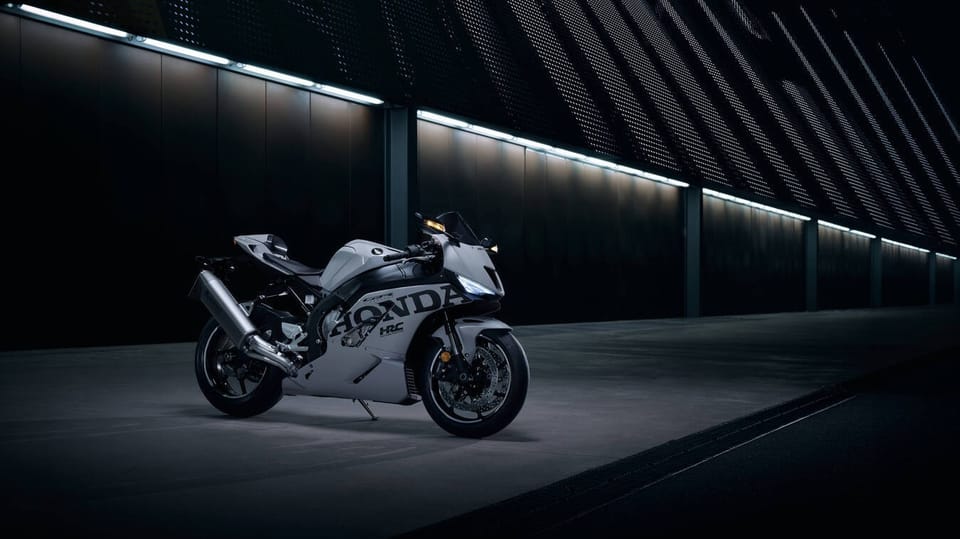
Honda SENSING RIDE Debuts at EICMA: Millimeter Radar and DCT Stop & Go for ADV
10 dedicated ADAS functions + Millimeter-wave radar mated directly to DCT + Honda brings automotive-grade collision avoidance to two wheels.

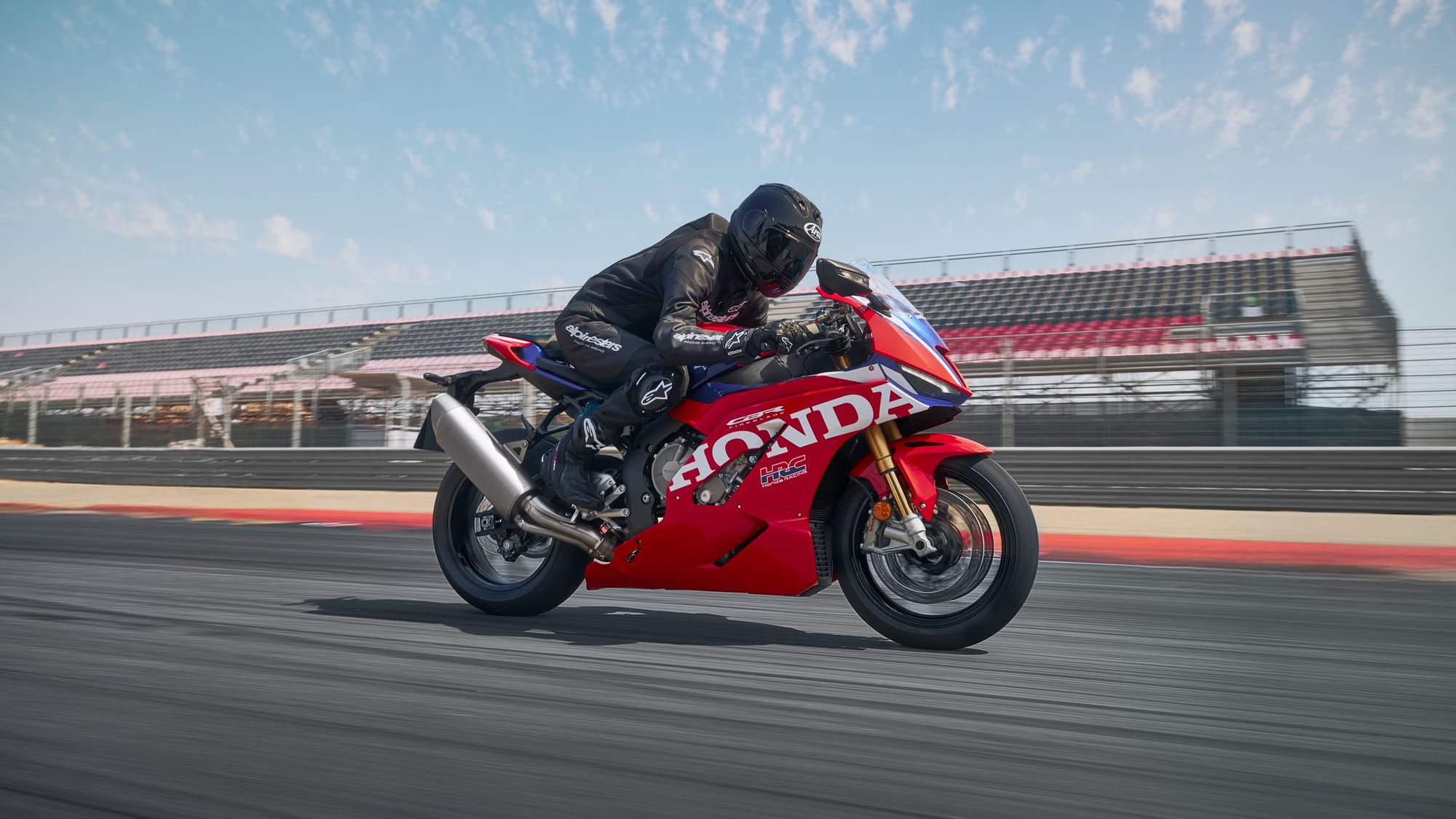
Honda has officially pulled the wraps off Honda SENSING RIDE at EICMA 2026 in Milan, establishing a comprehensive new two-wheeled Advanced Rider Assistance System (ADAS) engineered to drastically reduce motorcycle collision fatalities across European roads. Making its world premiere as standard electronic equipment on the flagship 2027 CRF1150L Africa Twin Adventure Sports—and detailed alongside Honda’s 2027 Africa Twin CRF1150L platform overhaul—the suite packages forward and rearward millimeter-wave radar transceivers, high-definition optical perception cameras, and deep integration with Honda’s Dual Clutch Transmission (DCT) to manage throttle, engine braking, and hydraulic deceleration autonomously.
The system incorporates ten discrete safety and touring assistance functions, spearheaded by Adaptive Cruise Control (ACC) featuring automated low-speed Stop & Go, blind-spot collision warnings, and an industry-first Group Ride Assist spacing protocol.
Millimeter-Wave Architecture & The DCT Advantage
While competing motorcycle radar systems from Bosch and Continental have offered adaptive following distance for several seasons, Honda SENSING RIDE’s primary mechanical breakthrough stems from its seamless synergy with Honda’s electro-hydraulic Dual Clutch Transmission. On manual-gearbox rivals, radar-assisted cruise control disengages the moment speeds drop below roughly 30 km/h to prevent engine stalling, requiring the rider to pull the clutch lever and manage stop-and-crawl queues manually.
On DCT-equipped machines, Honda SENSING RIDE manages both clutches automatically. When following decelerating traffic on congested European motorways or alpine toll plazas, the system modulates hydraulic brake pressure down to a dead halt without rider intervention, holds stationary, and automatically resumes acceleration when the vehicle ahead pulls away.
“Motorcycle safety cannot rely solely on passive helmet armor and post-impact crumple zones. By integrating millimeter-wave radar directly into the powertrain control unit and transmission clutches, Honda SENSING RIDE removes cognitive fatigue during grueling multi-hour transit stages while providing a critical electronic safety net when split-second distractions occur.” — Honda Motor Co. R&D Safety Division
Group Ride Assist and Cornering Safety Protocols
Beyond individual collision mitigation, Honda introduced “Group Ride Assist”—a tailored algorithm developed specifically for staggered touring packs. Traditional automotive radar sensors frequently panic when a staggered riding partner swerves within the lane, triggering false-positive brake stabs. Honda’s system detects staggered motorcycle formations, tracking up to four adjacent bikes to preserve staggered safety distances without disengaging cruise control.
Rear-facing millimeter-wave radar units mounted beneath the taillight continuously scan 360-degree blind spots, projecting flashing LED warnings onto the mirrors when vehicles approach rapidly from behind. If an imminent rear-end collision is calculated while stationary at traffic lights, the system flashes the hazard lights in a rapid strobe pattern to alert distracted trailing drivers.
The Rider’s Trade-Off: Electronic Guardian vs Mechanical Autonomy
The compromise inherent in Honda SENSING RIDE is mechanical purity versus automated intrusion. Veteran riders who cherish the unfiltered connection of a throttle cable and manual clutch will inevitably view radar intervention with skepticism. A sensor that proactively pre-charges brake calipers or intervenes with throttle dampening when carving through tight alpine hairpins can feel disconcerting if calibrated too aggressively.
Furthermore, packing millimeter-wave radar housings, camera transceivers, and complex wiring harnesses adds approximately 1.8 kg of high-mounted mass to the front fairing. However, during grueling wet-weather motorway transitions—such as crossing the Brenner Pass in freezing rain after eight hours in the saddle—the reduction in mental exhaustion and the insurance of an active rear-collision radar shield far outweigh the slight weight penalty.
Electronic ADAS Benchmark: Honda SENSING RIDE vs Bosch ARAS vs Benelli ADAS
| Feature / Metric | Honda SENSING RIDE (2027) | Bosch Radar ADAS (Gen 2) | Benelli Radar Suite |
|---|---|---|---|
| Primary Platform | CRF1150L Adventure Sports | BMW R 1300 GS / Multistrada V4 | Benelli TRK 902 Xplorer Debuts at EICMA |
| Transmission Integration | Full DCT Stop & Go to 0 km/h | Manual Shift-Assist (Cuts at ~25 km/h) | Manual Disengage Only |
| Group Ride Stagger Assist | Yes (Dedicated Stagger Mode) | No (Standard Single-Vehicle Tracking) | No |
| Rear Collision Alert (RECW) | Dynamic Hazard Strobe + TFT | Mirror LED Only | Blind-Spot Mirror Warning |
| Sensor Hardware | Front/Rear 77GHz Radar + Camera | Front/Rear 77GHz Radar | Rear-Facing Radar Only |
| Autonomous Braking Assist | Emergency Deceleration Priming | Distance Maintenance Only | Passive Warning Only |
Honda has confirmed that following its rollout on the MY27 Africa Twin Adventure Sports, Honda SENSING RIDE will propagate across its premium sport-touring and road machinery through 2027 and 2028 as part of EICMA 2026 motorcycle reveals.
Media citation: Editorial outlets and forums may quote excerpts with attribution and a link to Throttle Times.
Official product page: https://global.honda/en/newsroom/
Reporting via: webike.net, insurance-edge.net