Isle of Man TT Sidecars Return in 2027 With a New Sportbike-Based Engine Formula
Sidecars are back for 2027, after a safety review -- with new production-derived engines, a common ECU, and a three-year commitment to make it stick.
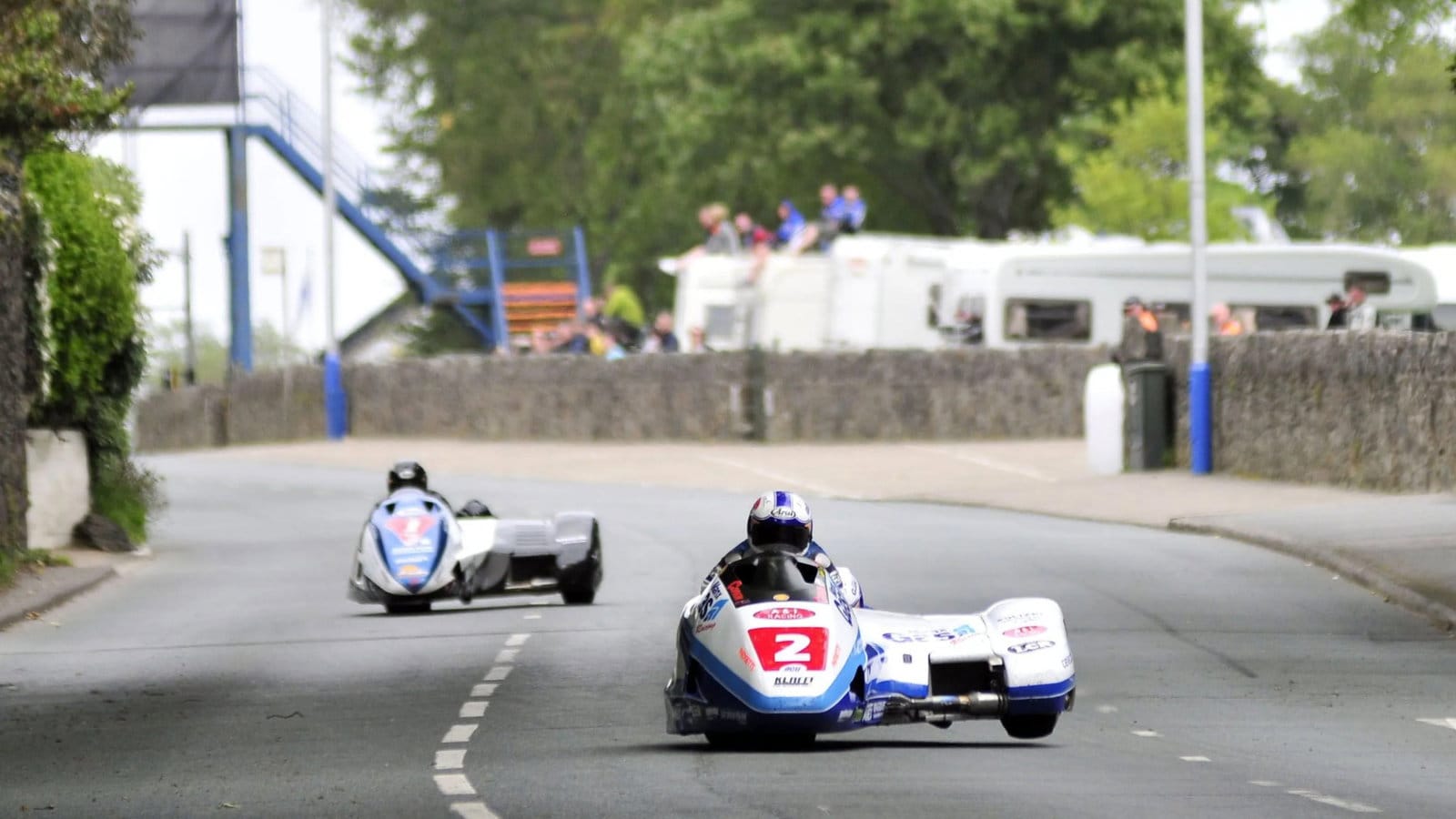
Sidecar racing is coming back to the Isle of Man TT in 2027, and the organisers didn’t just dust off the old rulebook to do it. The class has been under review since a serious qualifying crash in 2026, and what’s come out the other end is a genuinely different formula — new engines, a controlled electronics platform, and a three-year commitment so nobody has to have this same conversation again next season. I’ve never so much as sat in a sidecar outfit, and I still find the idea of leaning off the side of one at Ballaugh Bridge more terrifying than anything in my own garage.
Why the class was under review in the first place
The Sidecar class was suspended after a serious qualifying crash involving Ryan and Callum Crowe at Rhencullen during the 2026 TT, which triggered a formal Sustainability Review into whether the class could return safely at all. That review is now finished, and the answer is yes — but with a substantially reworked rulebook.
What actually changes for 2027
The headline change is the engine formula: Sidecars move away from the traditional 600cc four-cylinder engines and onto production-derived middleweight motorcycle engines instead, with the Yamaha R7, Aprilia RS660 and Kawasaki Ninja 650 all named as eligible donor engines. The switch is aimed squarely at two problems at once — the traditional 600cc race engines had become hard to source, and their development costs had turned into a real competitive advantage for the best-funded teams.
Alongside the new engines comes a common Mectronik ECU platform across the field, plus a Balance of Performance system to keep outfits running different base engines competitive with each other. TT Clerk of the Course Gary Thompson: “The move to the Sportbike engine framework and controlled electronics is a significant change, but it gives us much greater ability to manage class performance.” The intent is to push the competitive emphasis back onto chassis setup, preparation, and rider/passenger skill rather than who’s spent the most on engine development.
Existing chassis designs remain legal — there’s no mandatory replacement — but construction, identification, modification and inspection rules are all tightened, bodywork rules get stricter (separate wings, aerofoils and spoilers are banned outright), and minimum weight and fluid-containment requirements go up.
| What | Detail |
|---|---|
| Status | Returning for 2027, after a 2026 suspension and Sustainability Review |
| Old engine formula | 600cc four-cylinder |
| New engine formula | Production-derived middleweight (Yamaha R7, Aprilia RS660, Kawasaki Ninja 650 eligible) |
| Electronics | Common Mectronik ECU platform |
| Performance management | Balance of Performance system |
| Commitment | Three years, 2027-2029 |
| 2027 race format | Two races, two laps of the Mountain Course each |
What we know
- Sidecars return to the Isle of Man TT for 2027 after a safety-driven suspension and review.
- The engine formula changes from 600cc four-cylinder units to production-derived middleweight engines, run on a common ECU with Balance of Performance.
- The TT has committed to running the class for three years, 2027 through 2029.
What’s still unclear
- Race distance for 2028 and 2029 depends on how the new machinery and format perform in 2027 — organisers say it’ll be reviewed, not fixed in advance.
- Which specific teams and combinations will actually campaign the new engine formula hasn’t been detailed yet.
Safety-driven equipment reviews aren’t limited to race series, either — road riders got their own reminder of it recently when Bell recalled its Pit Boss half helmets over failed impact protection. And on the hard-charging end of two-wheeled competition, Manuel Lettenbichler’s dominant run at Abestone is a reminder that not every rulebook overhaul is about slowing things down.
FAQ
Why was Isle of Man TT sidecar racing suspended?
A serious qualifying crash involving Ryan and Callum Crowe at Rhencullen during the 2026 TT triggered a formal Sustainability Review into whether the class could continue safely.
What engines will TT sidecars use from 2027?
Production-derived middleweight motorcycle engines rather than the old 600cc four-cylinder units, with the Yamaha R7, Aprilia RS660 and Kawasaki Ninja 650 named as eligible donors.
How long has the TT committed to running Sidecars for?
Three years — 2027 through 2029 — with race distance for the final two years to be reviewed based on how 2027 goes.
Do existing sidecar chassis still qualify?
Yes, current chassis designs remain eligible; there’s no mandatory replacement, though inspection, bodywork and safety requirements are all tightened.
Photo: Isle of Man TT sidecar racing, via Visordown.
Official source: https://www.iomttraces.com/latest/news/tt-sets-out-new-future-for-sidecar-racing/
Reporting via: visordown.com, crash.net, rideapart.com