Dakar Rally Returns to Africa for 2027: 7,824 km Portugal to Morocco Route Revealed
7,824 km total & 4,341 km specials + Mediterranean ferry crossing into 11 Moroccan stages + A.S.O. returns Dakar to African soil for the first time since 2007.

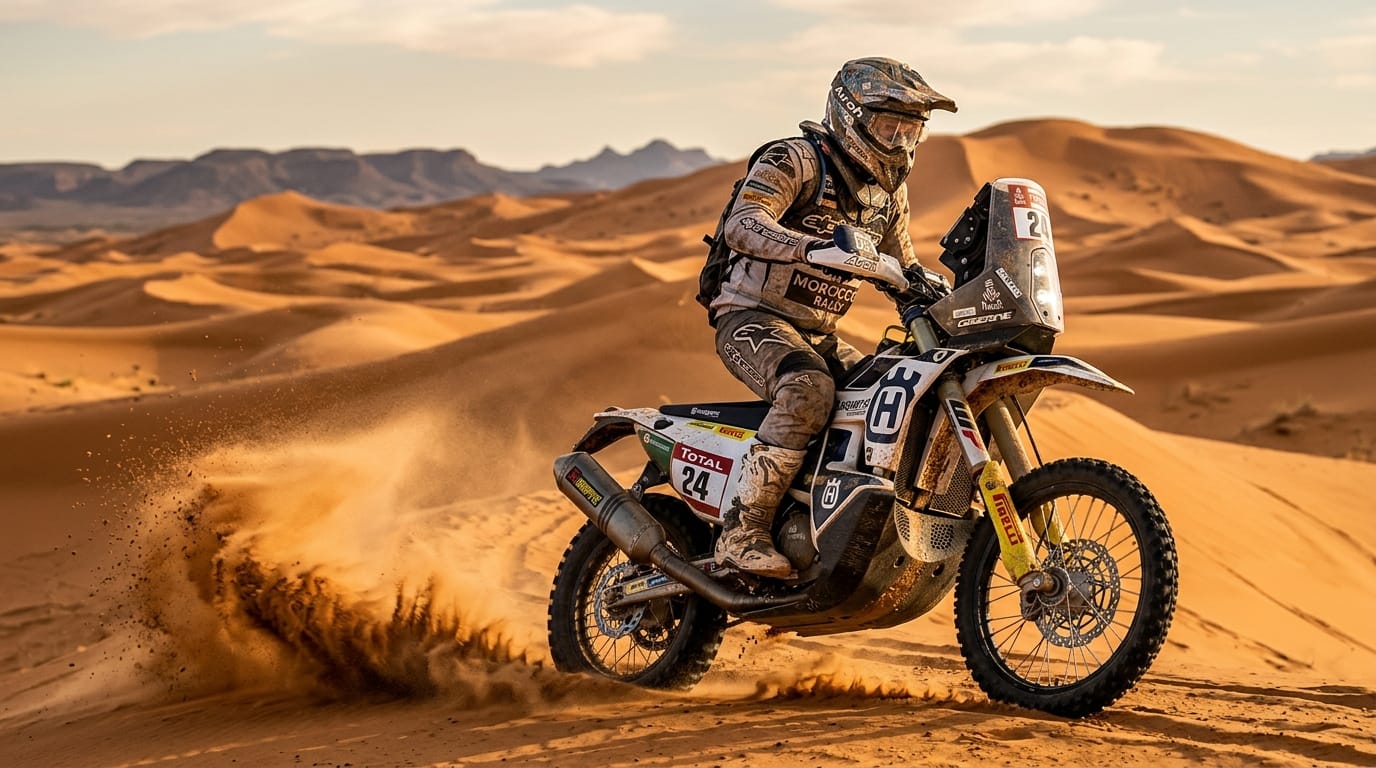
Twenty years after terrorist threats in Mauritania forced the cancellation of the 2008 event and chased the world’s greatest motorsport adventure across the Atlantic to South America, the Dakar Rally is finally returning to African sand.
Following mounting geopolitical instability and security concerns in the Middle East that made continuing in the Arabian peninsula untenable for 2027, the Amaury Sport Organisation (A.S.O.) and the FIM have officially unveiled the route for the 49th Dakar Rally (January 9–23, 2027). Spanning an epic 7,824 total kilometers across Portugal and Morocco, the one-off route features 4,341 kilometers of timed special stages that promise to revive the raw, unforgiving navigation that defined the rally’s golden era.
4,341 Kilometers of Specials Across Two Continents
The 2027 edition breaks with five years of Saudi Arabian loops by reviving a genuine point-to-point cross-continental journey. Scrutineering and technical checks open in southern Portugal at Loulé-Faro from January 6–8, followed by an opening prologue on January 9 around the Algarve Stadium.
Stage 1 covers Portuguese gravel and cork-forest fire roads on January 10, testing suspension clickers before the entire paddock loads onto chartered roll-on/roll-off ferries in Portimão for an overnight Mediterranean transit to the port of Nador in northern Morocco.
From Nador, Morocco hosts the remaining 11 special stages: - Atlas Mountain Crossings: From the high-altitude plateau bivouac in Bouarfa down through the rocky valleys of Errachidia. - Classic Erg Navigation: Multi-day dune battles across Merzouga and the towering dunes of Erg Chebbi and Zagora. - Atlantic Coast Rest: Agadir hosts the mandatory 24-hour rest day on January 17, giving privateers a chance to rebuild tired 450cc top-ends. - Deep Sahara Loop: Stages 8 through 11 plunge deep into the southwestern desert wastes toward Smara and near Dakhla, navigating remote camel grass and treacherous fesh-fesh before turning north along coastal cliffs. - Grand Finale: The rally concludes on January 23 with a technical finale in Marrakech.
“Dakar is fundamentally an exploration of the unknown. Relocating to Morocco and Portugal is not merely a logistical fallback—it is a spiritual homecoming to the terrain that created Thierry Sabine’s dream, demanding compass precision through mountain passes and dunes that forgive zero navigational mistakes,” stated Dakar Race Director David Castera.
The Rider’s Trade-Off: Endless Empty Dunes vs. Brutal Rock Gardens
While rally fans celebrate the return to African soil, factory mechanics and privateer riders face a brutal mechanical reality: Morocco breaks hardware far faster than Saudi Arabia’s smooth, rolling dunes.
Where the Empty Quarter rewarded pinned-throttle fifth-gear cruising across open sand bowls, the Moroccan Atlas and anti-Atlas stages are infamous for jagged volcanic rock beds that shred mousse inserts and punch through forged aluminum skid plates. Navigators will have to slow down by 15 km/h to read faint piste tracks crisscrossing centuries of nomadic trails, where a five-degree roadbook error will leave a competitor stranded in a boulder-strewn canyon instead of a sandy wadi.
Dakar Route Era Comparison
| Metric | 2027 Portugal-to-Morocco | 2026 Saudi Arabia | 2018 Peru-Bolivia-Argentina |
|---|---|---|---|
| Total Route Distance | 7,824 km | 7,891 km | 8,793 km |
| Special Stage Distance | 4,341 km (55% timed) | 4,727 km (60% timed) | 4,329 km (49% timed) |
| Number of Stages | Prologue + 12 Stages | Prologue + 12 Stages | 14 Stages |
| Continents / Countries | 2 Continents (Portugal, Morocco) | 1 Country (Saudi Arabia) | 1 Continent (Peru, Bolivia, Argentina) |
| Primary Terrains | Sahara dunes, Atlas rocks, cork trails | Open sand, dunes, gravel plains | High altitude altiplano, fesh-fesh, dunes |
| Maritime Transit | Overnight ferry across Mediterranean | None (Domestic liaisons) | None |
| Max Elevation | ~2,200 m (Atlas Mountains) | ~1,400 m | ~4,800 m (Bolivia) |
The Factory Teams and Privateer Scramble
The announcement has triggered immediate logistical shifts across the rally-raid paddock. European factory squads like Monster Energy Honda, Red Bull KTM, Hero MotoSports, and Sherco already maintain testing facilities and telemetry data in Erfoud and Zagora, giving them immediate baseline carburetor and EFI mapping data.
Furthermore, the European start in Faro dramatically slashes liaison freight costs for European privateers competing in the Malle Moto (Original by Motul) unassisted class, who can drive support vans directly to the Portuguese ferry.
With production machinery like the KTM Reveals the 2027 690 Rally and Ducati Reveals 2027 DesertX Rally drawing inspiration from Africa’s classic events, the 2027 route bridges modern rally technology with heritage romance. Sitting alongside full-size adventure tourers like the Honda Reveals 2027 CRF1150L Africa Twin and dedicated long-distance platforms detailed in our KTM 690 Rally coverage, January 2027 promises to deliver the most authentic Dakar Rally in two decades.
Media citation: Editorial outlets and forums may quote excerpts with attribution and a link to Throttle Times.
Official source: https://www.dakar.com
Reporting via: advpulse.com, cyclenews.com, aljazeera.com