Isle of Man TT Scraps Supertwins for 2027 in Full Shift to Sportbikes
14-year era ends + Factory BoP replaces €50,000 hand-built grenade twins + Isle of Man TT organizers officially axe Supertwins to save privateer budgets and entice OEM support.

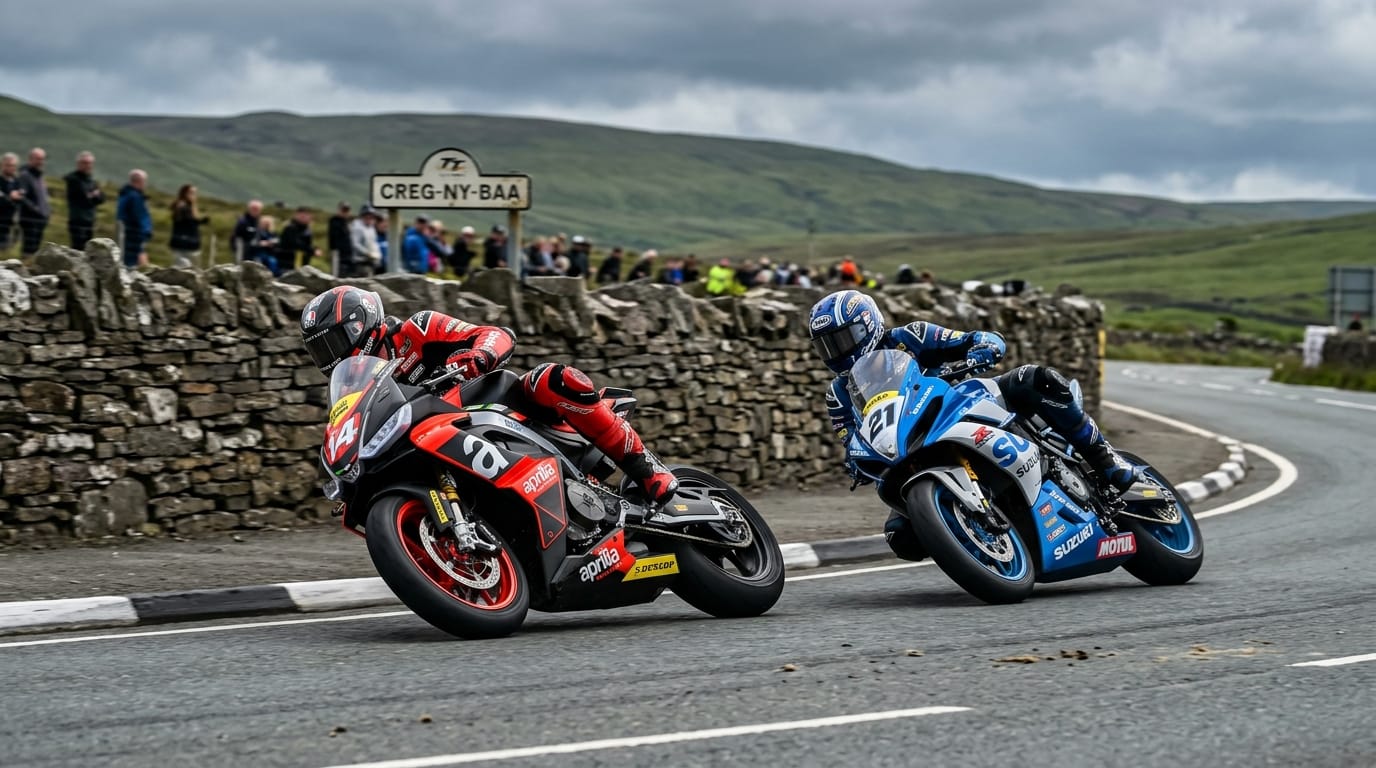
The Isle of Man TT organisation has officially confirmed that the Supertwin class will be retired after the 2026 races, mandating a complete, exclusive shift to modern Sportbike regulations for the 2027 Mountain Course campaign. The ruling brings a definitive close to a 14-year technical chapter that began in 2012, marking one of the most consequential regulation overhauls in modern real-roads racing.
For over a decade, the Supertwin category provided some of the closest racing on the Isle of Man, but at an escalating mechanical price. Originally conceived as an affordable gateway for privateers running modified 650cc twin-cylinder road bikes like the Kawasaki ER-6n and Suzuki SV650, the class gradually evolved into an arms race of ultra-high-maintenance, bespoke prototypes. Hand-built Italian Paton S1-Rs and heavily tuned parallel-twins running exotic titanium internals, extreme valve lift, and astronomical compression ratios pushed costs past €45,000 per engine build—and produced an alarming mechanical failure rate along the 37.73-mile Mountain Course.
The 2027 Shift: Production Showroom Chassis and BoP Parity
Under the confirmed 2027 rulebook, the grid will transition entirely to international Sportbike technical regulations, mirroring the growing National Sportbike championships running in Britain and across Europe.
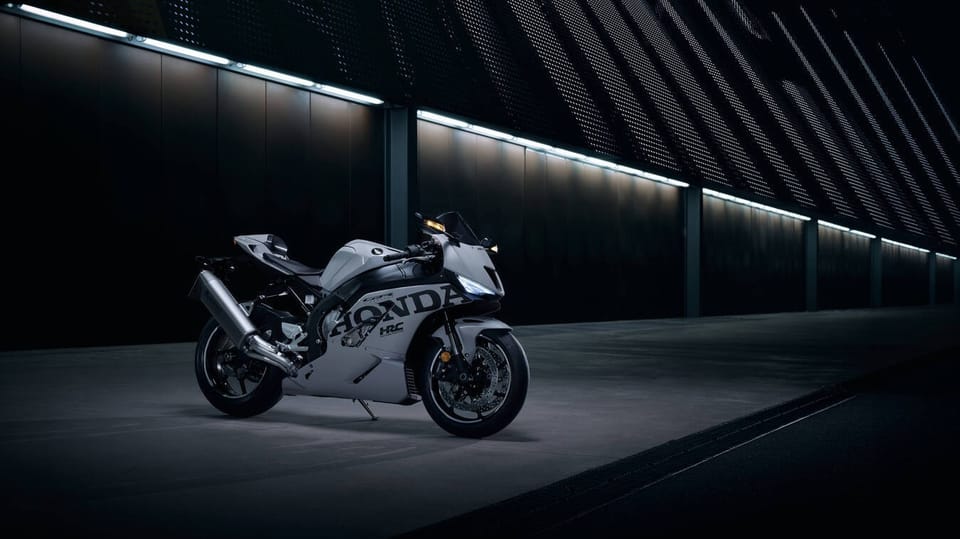
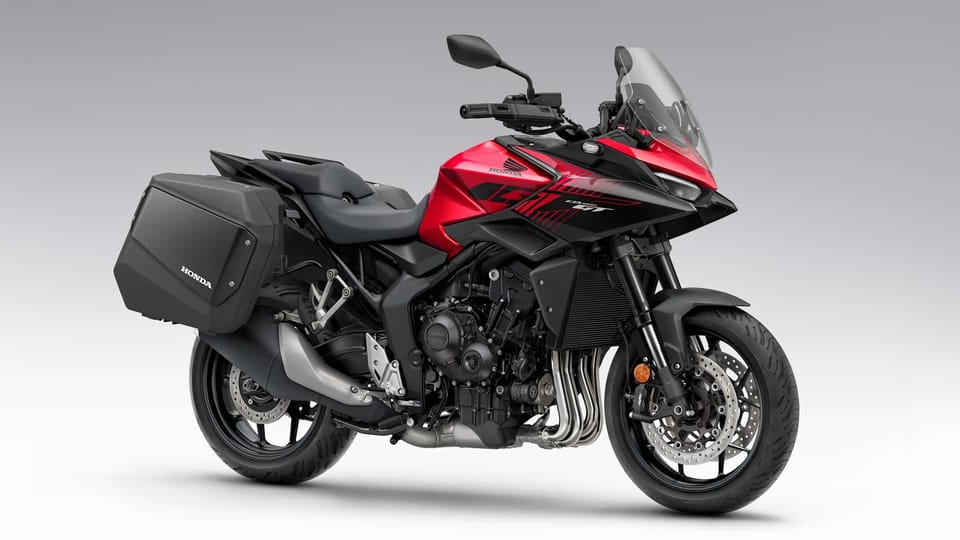
Rather than allowing unlimited cylinder head porting and one-off billet swingarms, the 2027 regulations require competitors to utilize standard production motorcycle architecture governed by a rigorous Balance of Performance (BoP) formula: - Eligible Machinery: The grid will open wide to showroom middleweights including the Aprilia RS 660, Yamaha R7, Suzuki GSX-8R, Triumph Daytona 660, and the Honda Overhauls 2027 CBR600RR. - Engine Tuning Caps: Camshaft profiles, throttle bodies, and compression ratios will be tightly regulated, with rev limits and inlet restrictors governed by official championship control software to equalize power-to-weight ratios across twin-cylinder and triple-cylinder powerplants. - Cost Ceilings: By eliminating hand-machined bespoke prototypes, privateers can purchase complete, turnkey race-prepped Sportbikes for under €22,000—less than half the price of a competitive bespoke Supertwin engine package.
“Supertwins gave us unforgettable finishes, but the class strayed far from its founding purpose of accessible competition. Moving fully to Sportbike regulations in 2027 restores financial sanity for privateer paddocks while establishing immediate relevance for mainstream motorcycle manufacturers.” — Gary Thompson, Isle of Man TT Clerk of the Course.
Technical Comparison: 2027 Sportbike Rules vs. Classic Supertwin Era
| Regulation Parameter | 2027 Sportbike Class | Classic Supertwin Era (2012–2026) |
|---|---|---|
| Eligible Platforms | Production RS660, R7, GSX-8R, Daytona 660 | Tuned ER6, SV650, Bespoke Paton S1-R |
| Chassis Restrictions | Standard OEM Production Frame | Modified OEM Frame or Bespoke Tubular Trellis |
| Engine Output | 92 – 100 bhp (BoP Regulated) | 98 – 112 bhp (Unrestricted Tuning) |
| Electronics & IMU | Spec Motec/Mectronik ECU & BoP Rev Limits | Open Programmable Racing ECUs |
| Average Engine Lifespan | Full TT Fortnight + Short Circuit Season | 2 to 3 Mountain Course Laps (Frequent Rebuilds) |
| Typical Competitive Budget | €18,000 – €24,000 complete build | €42,000 – €55,000 bespoke package |
| Factory OEM Backing | Direct Manufacturer Support Potential | Virtually Non-Existent (Specialist Garages) |
The Rider’s Trade-Off
The mechanical trade-off with the 2027 Sportbike transition is a loss of outright mechanical eccentricity in exchange for finishing reliability. Real-roads purists will mourn the disappearance of the ear-splitting, 11,500 rpm Paton twins and the eccentric garage engineering that allowed small Irish and British workshops to out-develop multi-million-euro racing outfits over a winter.
However, watching an engine grenade its crankcases at 240 km/h along Sulby Straight is neither safe nor sustainable for riders operating out of the back of a privateer van. Just as veteran road racers like John McGuinness demand rock-solid mechanical predictability from their Superbike engines, modern middleweight racers deserve a platform that won’t ventilate its crankcase after two laps of mountain commitment.
By grounding the category in production street machinery that ordinary riders actually buy and ride, the TT organisation has ensured the future of middleweight racing on the Isle of Man for the next two decades.
Media citation: Editorial outlets and forums may quote excerpts with attribution and a link to Throttle Times.
Reporting via: visordown.com, iomttraces.com, cyclenews.com, the-race.com