Canada Is About to Hit Harley-Davidson With a 50% Tariff, and It's Not About Motorcycles
A 50% counter-tariff on US-built motorcycles over 800cc lands September 8 -- and Harley's right in the middle of it.
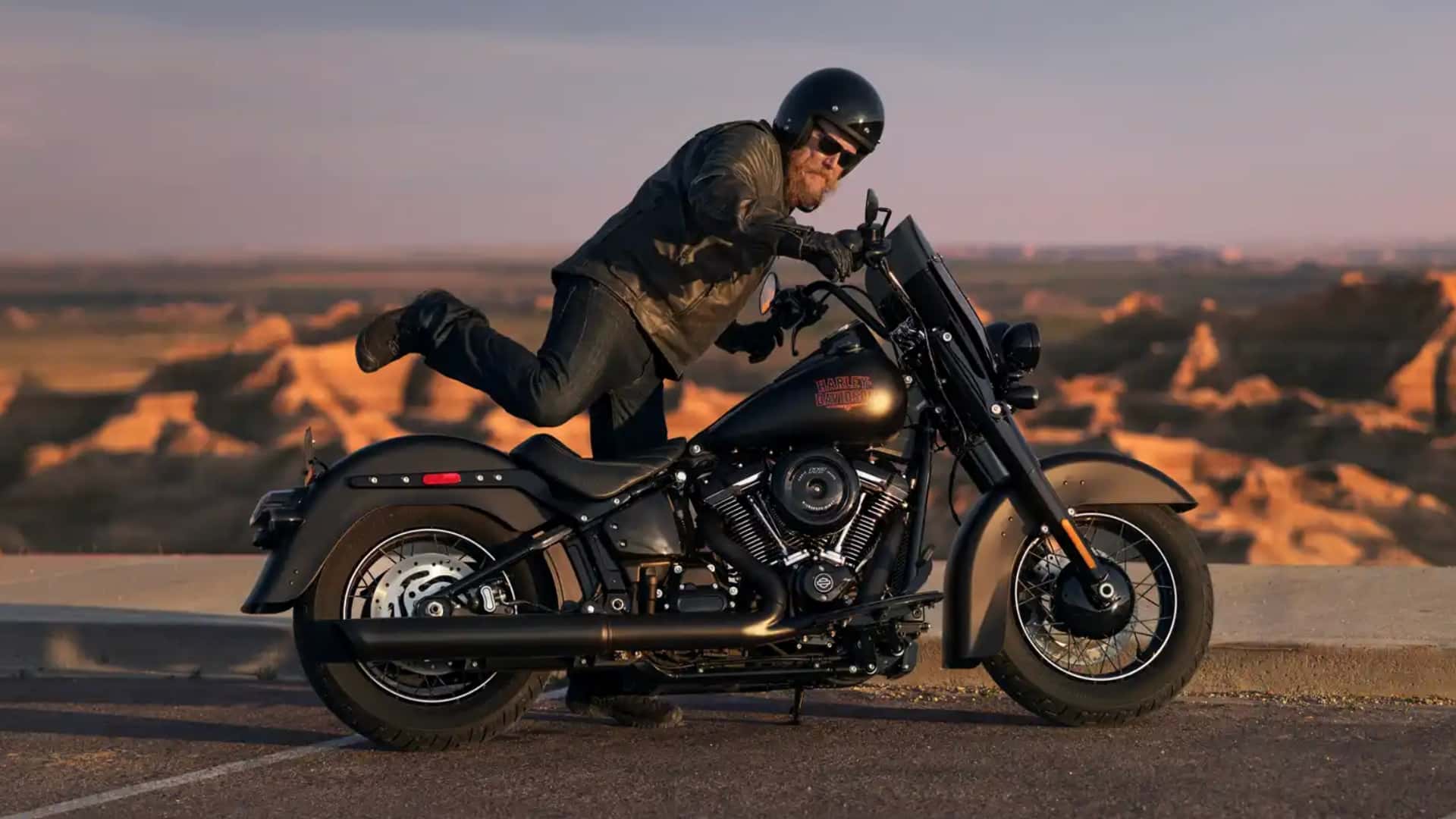
Canada is about to make US-built Harley-Davidsons a lot more expensive for Canadian riders, and the reason has nothing to do with motorcycles at all. Starting September 8, 2026, Canada is slapping a 50% counter-tariff on US-origin motorcycles with engines over 800cc — which covers most of Harley-Davidson’s lineup, and Indian Motorcycle’s too.
What’s actually happening
Canada’s government confirmed a 50% counter-tariff on US-built motorcycles displacing more than 800cc, effective September 8, 2026. It’s part of a broader C$27.6 billion retaliatory package Ottawa put together after trade negotiations with Washington collapsed, with individual countermeasures across the package ranging from 15% to 50% depending on the product category. Motorcycles landed at the top end of that range.
| Tariff rate | 50% |
| Threshold | US-built motorcycles over 800cc |
| Effective date | September 8, 2026 |
| Brands most exposed | Harley-Davidson, Indian Motorcycle (Polaris) |
| Canada’s share of Harley’s global retail sales (2025) | ~5% (6,434 units) |
| Part of | C$27.6 billion Canadian retaliatory tariff package |
Why Harley specifically
The Canadian measure doesn’t name Harley-Davidson directly — it’s written as a displacement threshold, not a brand list — but in practice almost every Harley model sold that isn’t a Sportster clears 800cc, so the effect lands on the brand’s core Softail, Touring, and CVO ranges. Indian Motorcycle, built in the US by Polaris, faces the identical exposure. Canada was a relatively small slice of Harley’s global business last year — about 5%, or 6,434 motorcycles — but it’s also one of the more visible flashpoints in the current US-Canada trade dispute precisely because Harley-Davidson is such a recognisable American brand. Big, symbolic names are easy retaliation targets: a well-known nameplate carries enough brand value that a manufacturer can absorb part of a tariff through its own margin and still turn a profit, which makes it a lower-risk pressure point for the government imposing it than tariffing something with thinner margins to spare.
What it means at the till
A 50% tariff doesn’t automatically mean a 50% sticker-price jump — Harley-Davidson could absorb part of the hit, spread it across other markets, or shift Canadian-bound inventory toward its non-US plants (the company already builds for some markets outside the US) — but any of those workarounds costs the company money or takes time to arrange. For a Canadian buyer looking at a roughly CA$30,000 (~€20,000) Softail, a full pass-through of the tariff would add real thousands of Canadian dollars to the out-the-door price with three business days’ notice. European riders aren’t directly affected by this specific measure, but it’s a preview of the kind of margin pressure Harley-Davidson is under globally as it juggles a slowing home market with these tariff crossfires — pressure that eventually flows into how aggressively (or not) the company prices in markets like the EU.
What we know / What’s still unclear
What we know: - The 50% rate and the 800cc threshold are confirmed and dated to September 8, 2026. - The measure sits inside a larger C$27.6 billion Canadian retaliatory tariff package. - Harley-Davidson and Indian Motorcycle are the two brands with the clearest exposure.
What’s still unclear: - Whether Harley-Davidson will raise Canadian retail prices to match, absorb the cost, or some mix of both. - Whether Canada’s retaliatory list could expand or shrink depending on how the broader US-Canada trade talks resolve from here.
Indian Motorcycle’s parent Polaris has been busy on other fronts too — the brand just marked its own 125th anniversary with a limited-run Chief Vintage Sturgis, SD Edition, a reminder that both big American cruiser brands are trying to sell heritage and identity at the exact moment their home-market manufacturing base has become a tariff liability instead of a selling point. It’s a very different kind of pressure than the one facing Japanese manufacturers right now — Kawasaki Heavy Industries just raised its own profit forecast on the back of a weaker yen and tariff refunds working in its favour instead of against it.
FAQ
What is Canada’s new motorcycle tariff?
A 50% counter-tariff on US-origin motorcycles with engines over 800cc, effective September 8, 2026, part of a broader C$27.6 billion Canadian retaliatory package against US trade measures.
Does this affect Harley-Davidson specifically?
The measure targets a displacement threshold rather than naming Harley-Davidson, but most of Harley’s US-built lineup above the Sportster range clears 800cc, so it’s the brand most exposed. Indian Motorcycle, also US-built, faces the same exposure.
Will this make Harleys more expensive in Canada?
Almost certainly to some degree, though Harley-Davidson hasn’t confirmed whether it will pass the full 50% through to Canadian retail prices or absorb part of the cost.
Does this tariff affect European Harley-Davidson buyers?
Not directly — it’s a Canada-US trade measure. It does add to the broader financial pressure Harley-Davidson is managing globally, which can indirectly influence pricing strategy in other markets over time.
Reporting via: rideapart.com, ca.news.yahoo.com, cyclecanadaweb.com