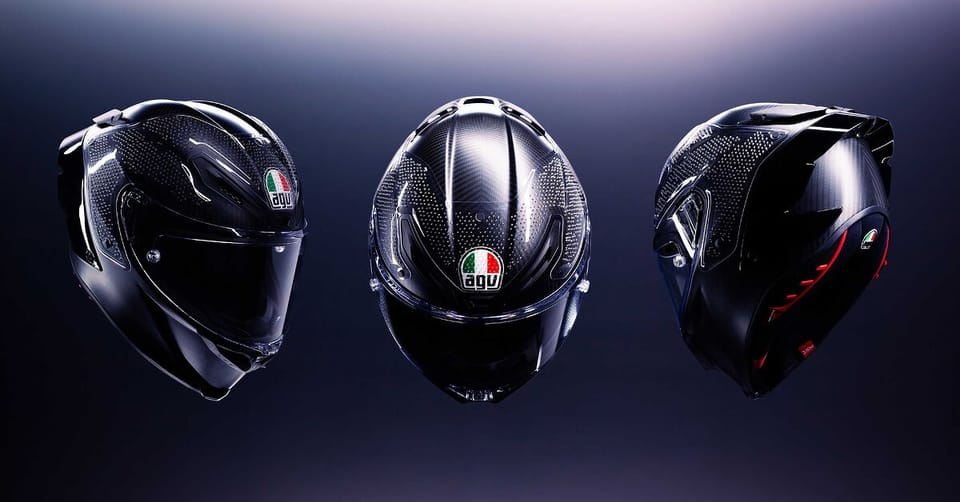
GoPro and AGV Team Up for 2027 Smart Helmet With Built-In Chin Camera
Zero exterior camera mounts + Flush chin-bar 4K sensor with audio blind-spot AI + GoPro and AGV finally build the integrated smart lid we've wanted.

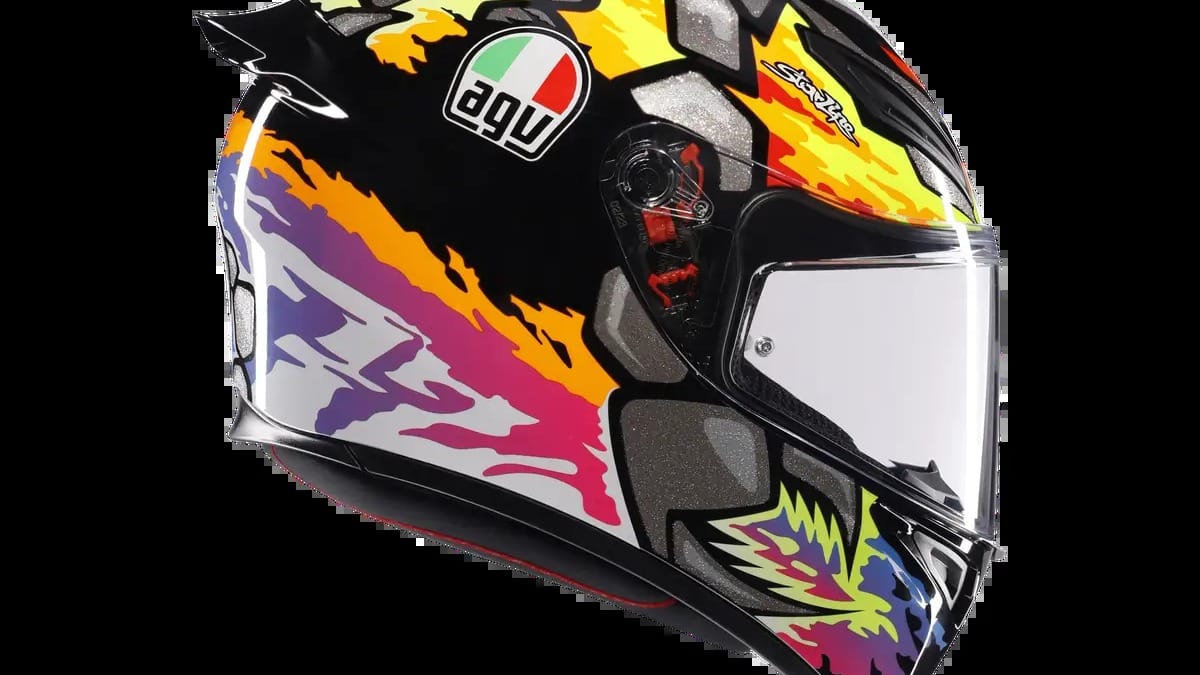
Action camera powerhouse GoPro and Italian helmet master AGV have officially confirmed a joint engineering partnership to develop the motorcycle industry’s first fully integrated smart helmet, slating the technology-packed full-face lid for global commercial release in 2027. Stemming from GoPro’s early-2024 acquisition of Australian smart-headwear pioneer Forcite Helmet Systems, the project completely eliminates drag-inducing aftermarket plastic sticky mounts and bulky chin brackets by engineering a stabilized 4K action camera flush directly into the aerodynamic composite chin bar of an ECE 22.06-homologated AGV shell.
Alongside native ultra-wide-angle video recording, patent filings associated with the joint venture reveal peripheral LED navigation prompts projected upward onto the visor and machine-learning acoustic blind-spot detection utilizing rear-facing micro-sensors.
Flush Integration: Solving the Aerodynamic and Safety Nightmare
Any rider who has bolted a standard action camera to their helmet knows the physical penalty: asymmetric aerodynamic drag at 130 km/h that wrenches the rider’s neck, whistling wind noise that deafens comms systems, and the unsettling safety reality of a rigid plastic leverage block bolted right over the chin or crown during an impact.
The GoPro x AGV partnership solves this at the structural shell level. By housing the sensor, image processor, and miniature battery cells within molded impact-absorbing EPS channels, the external shell preserves a smooth aerodynamic glancing-off profile. Heat dissipation is managed via channeled air intakes routed directly across thermal heatsinks behind the chin curtain, preventing lens fogging and sensor overheating during slow city transit.
“Bolting external gadgets to the outside of an ECE 22.06 helmet always represents an engineering compromise. By designing the imaging sensors, battery cells, and optical stabilization directly into AGV’s carbon-composite architecture from day one, we deliver professional POV capture without sacrificing rotational impact safety or aerodynamic balance.” — GoPro Hardware Engineering Brief
Turn-by-Turn Visor Prompts and Acoustic Blind-Spot AI
Beyond onboard video recording, the smart lid adapts technology pioneered by Forcite to keep rider focus locked on the asphalt. An array of multi-colored miniature LEDs embedded in the upper rim of the chin bar projects ambient light cues upward into the rider’s lower peripheral vision, signaling upcoming turn-by-turn maneuvers, speed camera zones, and road hazards without forcing the rider to look down at a phone screen or TFT cockpit.
Simultaneously, patent disclosures indicate a dual-microphone acoustic array situated at the rear occipital region of the helmet. Paired with onboard accelerometers and machine-learning audio processing, the system isolates high-speed vehicular engine frequencies approaching in blind spots, filtering out wind noise and piping subtle auditory warnings into internal helmet speakers before a car begins an unexpected lane intrusion.
The Rider’s Trade-Off: Battery Weight vs Clutter-Free Riding
The primary mechanical compromise of an integrated smart helmet lies in replacement cycles and helmet mass. A standard high-end carbon street helmet like the Arai Launches Horizon-X weighs around 1,350 to 1,400 grams. Packing an image sensor, logic boards, wiring harnesses, and a high-capacity lithium cell into the shell will push overall weight closer to 1,580 grams—similar to a touring modular lid like the ROOF DJAGGER Unveiled at EICMA.
Furthermore, while traditional action cameras can be unclipped and transferred to a new helmet after three seasons, an integrated smart lid permanently pairs camera tech with a helmet shell that carries a strict five-year operational lifespan. However, for content creators, long-distance ADV tourers, and commuters tired of snagging cables and recharging three separate gadgets, the seamless all-in-one execution is a massive ergonomic upgrade over current setups like the Nolan Unveils X-804 ST Ultra Carbon Helmet at EICMA.
Smart Headwear Benchmark: GoPro x AGV vs Forcite MK1S vs Traditional Mount
| Metric / Feature | GoPro x AGV Smart Helmet (2027) | Forcite MK1S | Traditional Carbon Helmet + Sticky Mount |
|---|---|---|---|
| Camera Integration | Flush Chin-Bar (Internal) | Integrated Chin Bar | Protruding External Bracket |
| Video Resolution / FPS | 4K / 60fps with HyperSmooth | 1080p / 60fps Standard | 4K / 120fps (External Camera) |
| Optical Stabilization | Proprietary GoPro Gyro AI | Digital Stabilization | Camera In-Body Sensor Shift |
| Heads-Up Nav Cues | Peripheral LED Visor Projection | LED Light Strip on Chin | Smartphone Screen / TFT Display |
| Acoustic Blind Spot AI | Rear Mic Frequency Detection | None | None |
| Safety Certification | ECE 22.06 / DOT (Target) | ECE 22.05 / 22.06 | ECE 22.06 (Without Mount Tested) |
| Estimated Mass | ~1,580 g | 1,550 g | ~1,400g + 160g Camera = 1,560g |
| Estimated Retail Price | €850 – €1,050 | €949 | €650 Helmet + €450 Camera |
GoPro and AGV have opened registration for an exclusive European “Test Pilot Programme,” with commercial production and pricing scheduled to be finalized in late 2026 ahead of the 2027 showroom release.
Media citation: Editorial outlets and forums may quote excerpts with attribution and a link to Throttle Times.
Official product page: https://www.agv.com
Reporting via: t3.com, digitalcameraworld.com