Quin's Helmet Pod Wants to Call for Help So You Don't Have To
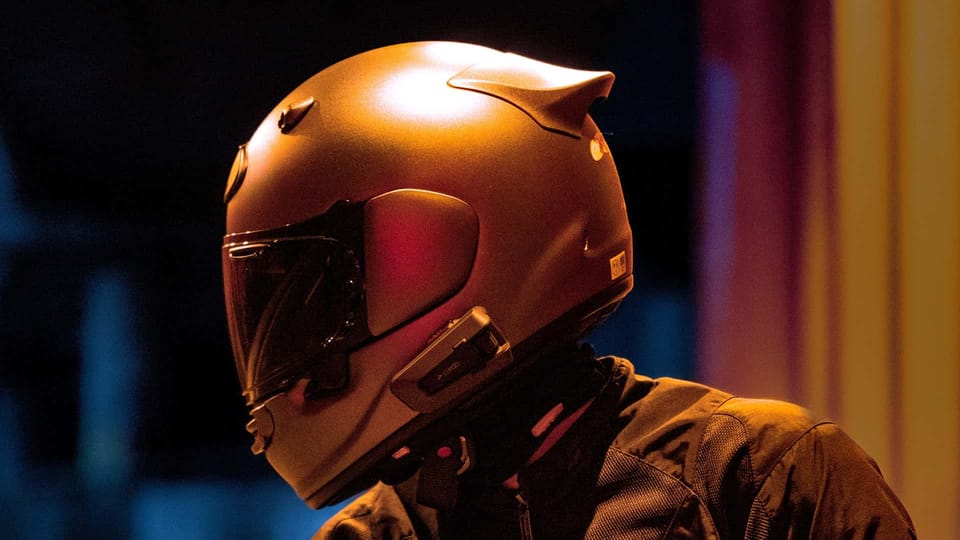
Quin's crash-detection pod is now shipping in Nolan and O'Neal helmets -- it senses impacts, slips, and falls, then automatically alerts your emergency contacts or, with Quin Plus, dispatches responders directly.
I'm not usually the guy who gets excited about a helmet accessory rather than the bike itself, but Quin's little pod has quietly talked me into being that guy for one article.
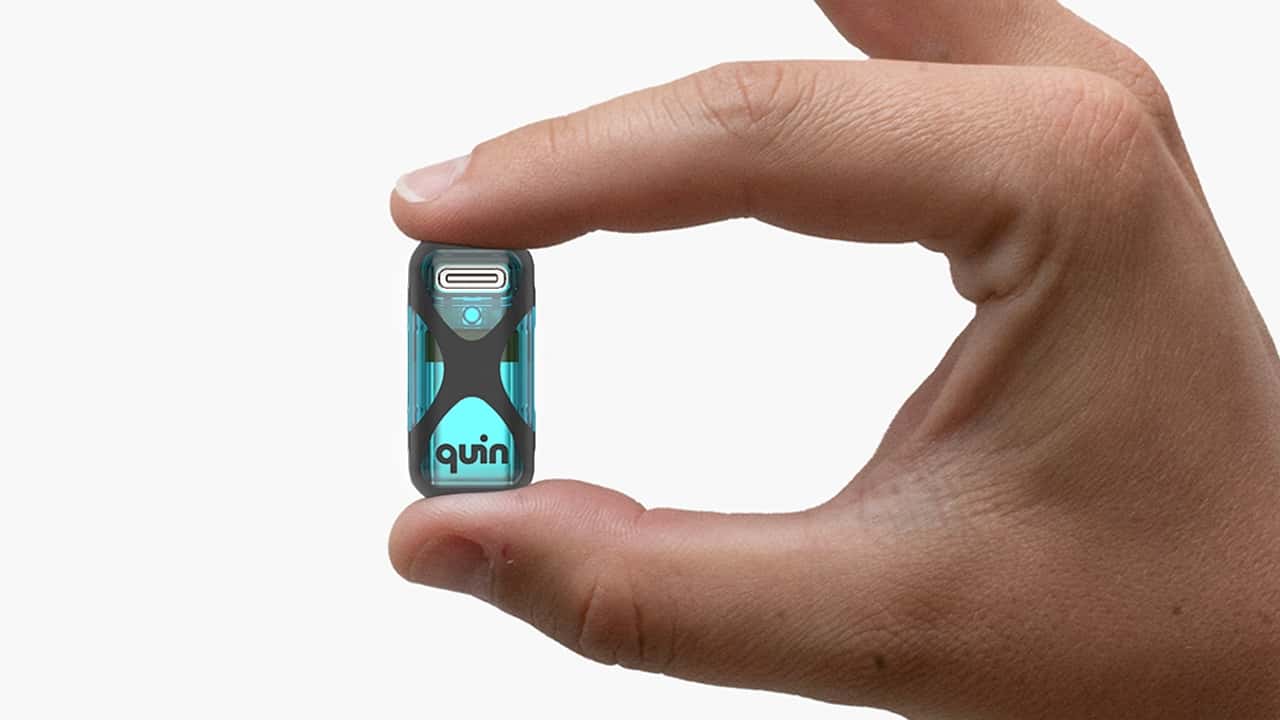
Here's the setup: Quin, a UK safety-tech company, makes a small sensor pod that slots into a pocket built into the EPS liner of specific helmets — right now that means Nolan's new X-904 UC and a handful of O'Neal lids, with more brands lining up. The pod itself is unassuming. It just sits there recording motion up to 6,000 times a second, running that data through Quin's algorithm to spot "events" — impacts, slips, trips, falls — the stuff you hope never happens but statistically, on a long enough timeline, happens to somebody you know.
When it flags one of those events, it sounds an audible warning first — so you can cancel it through the app if you just dropped the helmet off a shelf and you're fine — and if you don't cancel, it automatically pings your three chosen emergency contacts with your status and location. Subscribe to the higher tier, Quin Plus with the Quin Response System, and it'll go a step further: direct integration with professional emergency responders across 32 countries, so if you're unconscious with nobody around, help gets dispatched with your crash data already in hand — impact severity, post-impact immobility, the works. There's also a feature called HeatSense that tracks your head temperature, on the theory that riding while overheating quietly makes you a worse, slower-reacting rider, which, yeah, checks out.
A Quin spokesperson framed it as making "intelligence an integral part of every ride — not just to detect incidents, but to help protect riders through meaningful, data-driven technology," which is the kind of line that sounds like corporate padding until you think about the specific ride where you were alone on a back road with no cell signal and no riding buddy behind you. I've had that ride. Most of us have.
The pitch here isn't a heads-up display or a Bluetooth intercom system fighting for your attention — it's the opposite. You forget the pod exists until the one day you desperately need it to have existed. Reported pricing lands around $120 on top of the helmet itself, which is a genuinely reasonable number to argue yourself into after the third "what if" scenario your brain runs through at 2 a.m.
I will, naturally, use this as further justification for the solo three-week ride up the coast I keep talking myself into and keep not doing, on the theory that a helmet that can call for help means I can finally go do the stupid solo stuff safely. My wife has heard this plan in four separate forms over the last two years. The garage still has the same amount of dust on it.
Photo: Quin Within, via RideApart.