Rieju Enters a 293cc Production Bike in Dakar 2027, and Its Chief Engineer Rides It
293cc single, 33.5 hp, and straight off the showroom floor. Rieju is sending its own chief development engineer to race the 2027 Dakar Rally.

Part of Throttle Times live coverage of EICMA 2026 in Milan — see our complete EICMA 2026 Adventure & Rally Motorcycle Reveals Hub for every major unveiling.
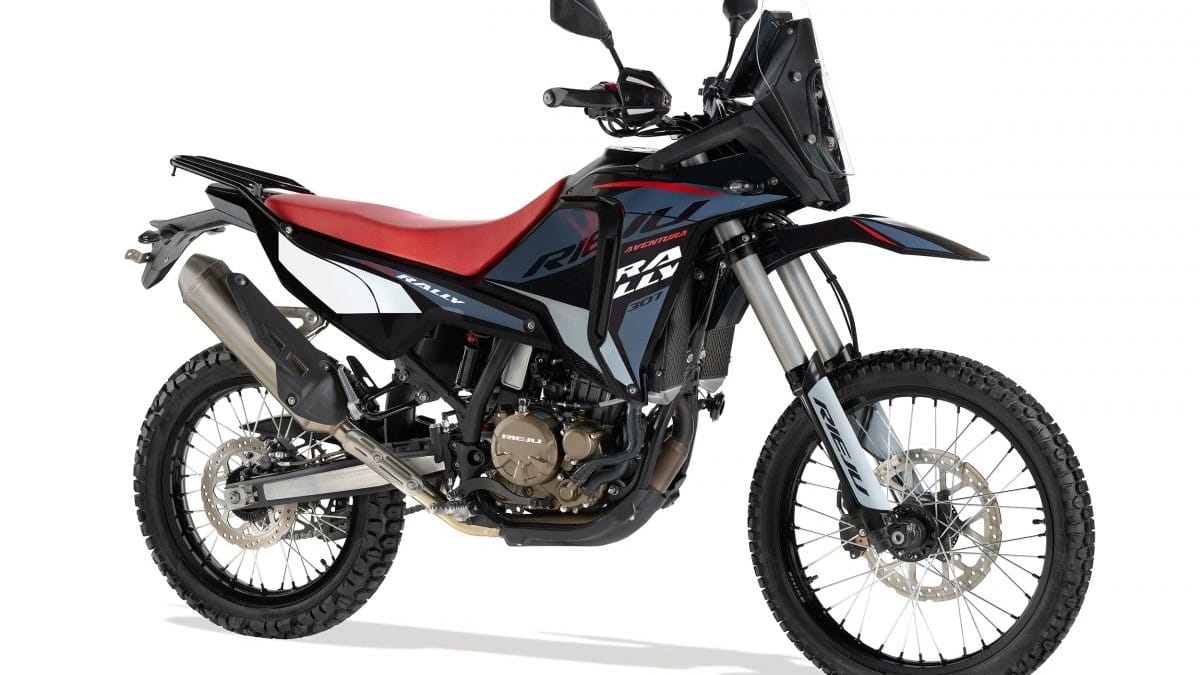
In an audacious departure from the ultra-specialized, six-figure 450cc prototypes that dominate the world’s toughest endurance race, Spanish manufacturer Rieju has officially announced a factory entry for the 2027 Dakar Rally using a showroom-specification Rieju Rally 307.
Engineering Accountability in the Sahara Dunes
The defining element of Rieju’s 2027 Dakar campaign is not a celebrity rider signing, but who is sitting in the saddle. August Castellà, the R&D project manager who directed the design and chassis geometry of the Rally 307, will pilot the motorcycle himself across 14 gruelling stages from Portugal through Morocco.
In modern motorsport, chief engineers typically analyze telemetry from climate-controlled bivouac trailers while factory pilots endure the physical battering of camel grass and hidden drop-offs. Castellà has chosen the ultimate form of mechanical accountability: if a weld snaps, a stator cooks, or a subframe buckles under navigation tower weight, he will be the one turning the spanners in the freezing desert night. Castellà has already proven the concept, having navigated prototypes through the brutal heat and rocky passes of the Rallye du Maroc and Desafío Ruta 40.
“When an engineer has to ride the motorcycle he designed across 8,000 kilometres of African sand, every single tolerance and bolt head is considered with absolute personal focus,” stated Rieju Motorsport during the official announcement.
A Production Road-Going Bike on the Dakar Starting Line
Unlike factory 450cc rally replicas that share virtually nothing with road-going enduros, Rieju’s machine will be plucked directly from the assembly line in Figueres, Spain. The bike will compete with its standard 293cc four-valve liquid-cooled single-cylinder engine, stock main frame, and showroom suspension linkages, upgraded only with mandatory FIM navigation gear, safety tracking beacons, and heavy-duty catalog protection accessories.
The move coincides with Dakar’s historic return to Africa for the 2027 edition, traversing Portugal and deep into the Atlas Mountains and Erg Chebbi dunes before finishing in Marrakech. In tight, rocky canyon passes and steep soft-sand dunes, the Rally 307’s accessible 138 kg dry weight and forgiving power delivery will allow Castellà to tractor through technical hazards that leave exhausted amateur riders wrestling overheated 450cc race engines.
| Specification | Rieju Rally 307 (Dakar Entry) | Kove 450 Rally (Regular) | KTM 450 Rally Replica |
|---|---|---|---|
| Machine Type | Stock Production Dual-Sport | Production Rally Raid | Factory Racing Prototype |
| Engine Displacement | 293cc single-cylinder | 449cc single-cylinder | 449.3cc SOHC single |
| Power Output | 33.5 hp @ 8,500 rpm | 51.0 hp @ 9,500 rpm | ~68.0 hp @ 9,500 rpm |
| Fuel Capacity | 21 litres | 30 litres (three tanks) | 34.5 litres (three tanks) |
| Dry Weight | 138 kg | 145 kg | 139 kg |
| Top Speed (Gearing) | ~135 km/h | ~170 km/h | ~185 km/h |
| Maintenance Cycle | Standard road service intervals | 2,000 km oil / valve inspection | Daily rebuilds / race hours |
| Machine Cost | ~€4,690 (base) | €8,990 | ~€35,000+ |
The Rider’s Trade-Off
The mechanical trade-off of running a 293cc road-going single in the Dakar Rally is raw top speed against survival. Producing 33.5 horsepower, Castellà will be heavily outpaced on fast 160 km/h open desert transfer stages where 450cc factory weapons pull away like freight trains.
Long highway liaisons between special stages will require maintaining near-peak engine speeds, demanding rigorous thermal management. However, when navigating loose fesh-fesh, navigating tight Moroccan mountain riverbeds, or picking the bike up repeatedly under scorching midday sun, the nimble geometry, low fuel consumption, and forgiving power delivery make the Rally 307 far less physically punishing than high-strung rally raid motorcycles. For riders who admire machines like the KTM 690 Rally or explore remote terrain on budget 300cc rally machines, Rieju’s daring production experiment is the ultimate validation test.
Media citation: Editorial outlets and forums may quote excerpts with attribution and a link to Throttle Times.
Reporting via: rieju.com, cyclenews.com, enduromagazine.com